Wearable technologies are becoming increasingly important in healthcare, sports monitoring, and personal wellness applications. As devices become more integrated into everyday life, manufacturers face new challenges related to comfort, signal quality, durability, and device integration.
To explore these developments, we spoke with Antti Kemppainen from VTT and Waltteri Naapuri from Premix about conductive materials, dry electrode technologies, and the future of wearable healthcare solutions.
Wearables are moving from gadgets to real healthcare tools
Q: Wearable devices are evolving rapidly. What changes are you seeing in the market?
Antti Kemppainen, VTT:
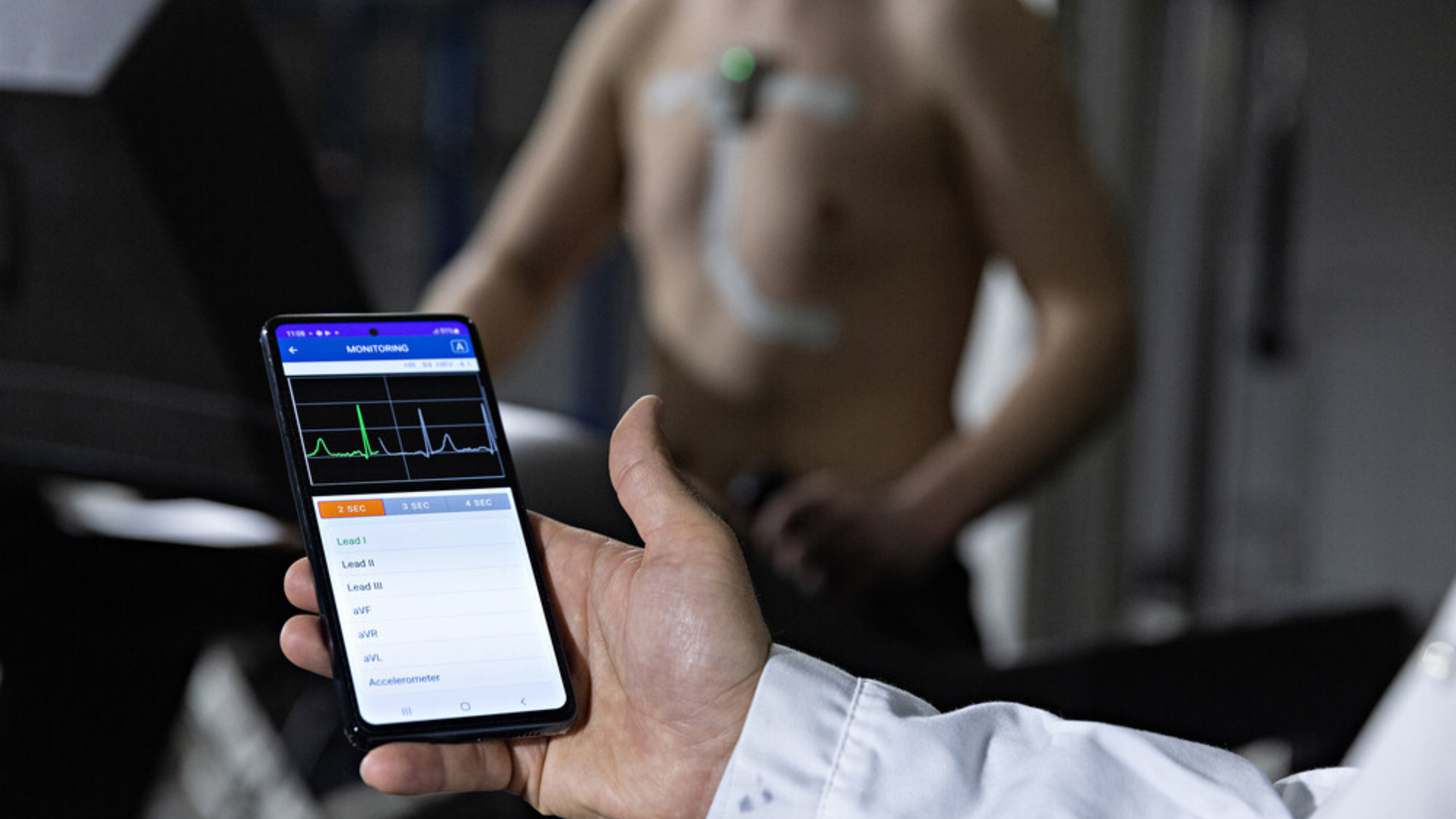
We are seeing a clear shift from simple consumer wearables toward more advanced healthcare and monitoring applications. Devices are becoming more integrated into daily life and expected to provide continuous, reliable physiological data in real-world environments.
At the same time, user expectations are increasing. Devices must be comfortable, unobtrusive, and reliable during movement and long-term use. This creates new challenges not only for electronics, but also for materials, skin interfaces, and device integration.
Signal quality depends on more than electronics
Q: What role do materials play in wearable sensor performance?
Waltteri Naapuri, Premix:
Materials are a critical part of sensor functionality itself. In wearable applications, conductivity alone is not enough. The material also impacts flexibility, skin contact, comfort, durability, and ultimately signal stability.
Traditional rigid or metal-based structures can limit wearable performance and design freedom. Conductive polymers enable more flexible and body-conforming solutions that move naturally with the user while maintaining reliable electrical performance.
This opens completely new possibilities for wearable sensor design.
Dry electrodes are enabling new wearable concepts
Q: VTT has been working extensively with dry electrode technologies. Why are they important?
Antti Kemppainen:
Dry electrodes can significantly improve usability compared to traditional gel-based solutions. They enable more comfortable, long-term, and user-friendly wearable devices without the inconvenience of gels or adhesives.
We are developing and testing dry electrode technologies together with wearable integrations and manufacturing methods. The goal is to help companies accelerate product development from research toward scalable real-world applications.
This includes testing, device integration, pilot manufacturing, and performance validation for wearable healthcare technologies.
Flexible conductive materials support wearable integration
Q: How do conductive materials support these next-generation wearable designs?
Waltteri Naapuri:
Flexible conductive materials allow designers to integrate electrical functionality directly into wearable structures. This can help reduce component complexity, simplify assembly, and improve wearability.
For example, conductive TPU materials can enable:
- Flexible skin-contact structures
- Stable performance during movement
- Lightweight and comfortable designs
- New possibilities for wearable integration
The combination of conductivity and flexibility becomes especially valuable in applications like sensor patches, heart rate monitoring, and medical wearables.
Wearable healthcare applications are driving demand
Q: What kinds of wearable applications are driving interest today?
Waltteri Naapuri:
We are seeing growing interest especially in applications where flexibility, skin contact, and reliable signal performance are critical.
Examples include:
- Heart rate sensor belts
- Wearable sensor patches
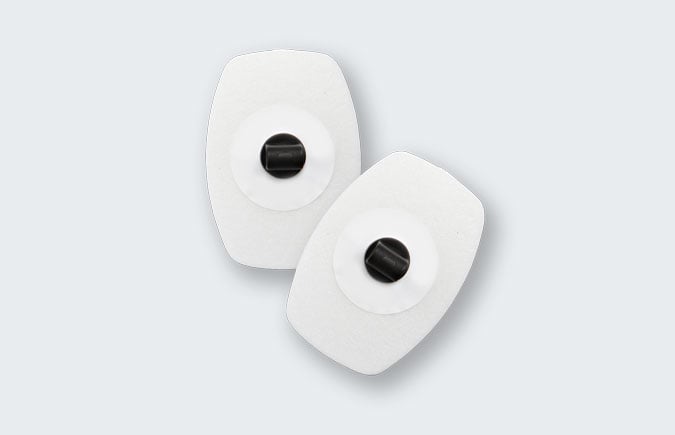
- ECG / EEG / EMG electrodes
- Smart textiles
- Flexible monitoring devices
- Sensor housings and buttons
In many of these applications, conductive polymer materials can help improve wearability, simplify integration, and enable new device concepts that are difficult to achieve with traditional rigid or metal-based structures.
Collaboration is essential for wearable innovation
Q: Why is collaboration between material suppliers, research organizations, and device developers important?
Antti Kemppainen:
Wearable technology combines multiple disciplines: materials, electronics, manufacturing, healthcare requirements, signal processing, and user experience. No single company can solve everything alone.
That’s why collaboration is essential. By combining expertise from different areas, development becomes faster and more application-focused.
Waltteri Naapuri:
Exactly. Material suppliers and research organizations can together help wearable manufacturers reduce development risk and accelerate innovation. Our role is to support customers with both material expertise and application understanding.




Explore Our Sensor and Wearable Materials
Our electrically conductive compounds are designed for smart sensor integration in both professional medical devices and consumer wearables.