
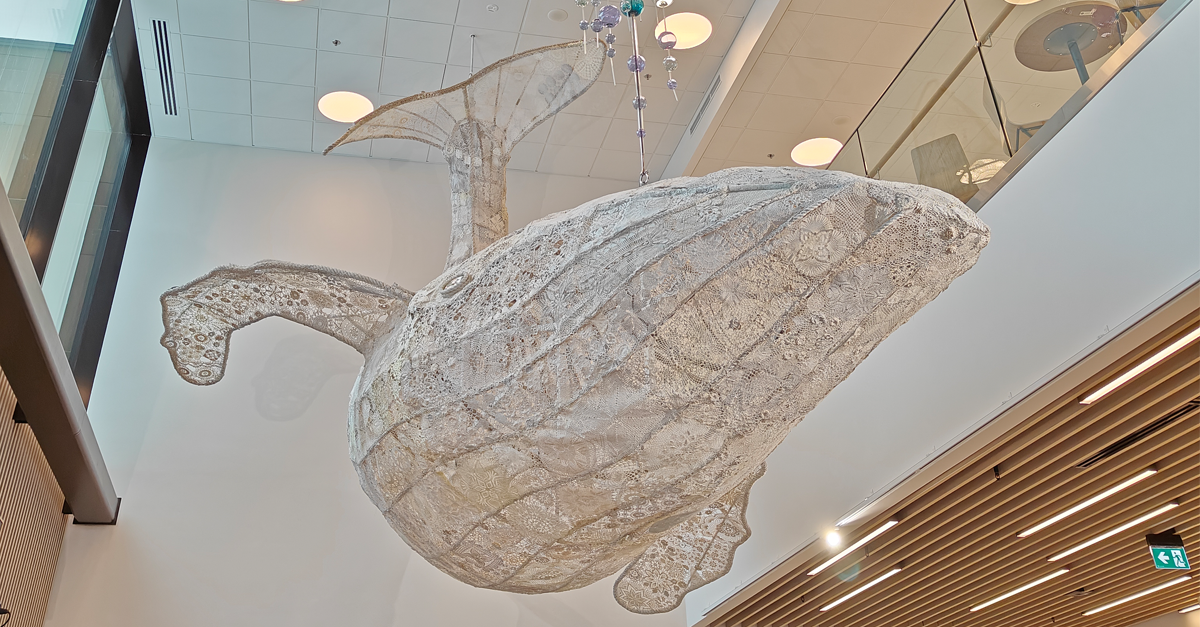
The hospital is mostly designed in accordance with the international IEC 61340-6-1 electrostatic control standard for healthcare environments, which defines requirements for managing electrostatic discharge (ESD) in medical facilities.
The visit was particularly meaningful for us, as Premix has been actively involved in the development of electrostatic control practices in healthcare through participation in the Finnish ESD Association (STAHA) and in the SESKO IEC working group, which contributed to the development of this first hospital ESD standard.
Why Electrostatic Control Matters in Hospitals
Modern hospitals rely heavily on sensitive medical electronics; imaging equipment, monitoring devices, laboratory instruments, and digital healthcare systems.
Electrostatic discharge may be undetectable without special instrumentation, but in healthcare it poses significant risks:
- Disturbances in medical device operation
- Unexpected system errors
- Damage to sensitive electronics
- Potential risks to patient safety
In addition, electrostatic charging and its uncontrolled discharge can also lead to electric shocks for both healthcare personnel and patients. Everyday actions; such as moving furniture with ungrounded wheels or simply standing up from a chair; can generate significant static charge. In some cases, a person may accumulate enough electrical potential to produce a visible spark upon discharge.
The IEC 61340-6-1:2018 standard and its 2024 amendment define how electrostatic control should be implemented in healthcare facilities to minimize these risks.
For example, the standard requires electrostatic control measures in G2 medical areas, such as:
- Operating rooms
- Intensive care units
- Critical diagnostic environments
Electrostatic control is required in G1 areas when humidity drops below 30% relative humidity, a condition that occurs frequently in European hospitals during winter months.
A 10-Year Journey to a New Generation Hospital
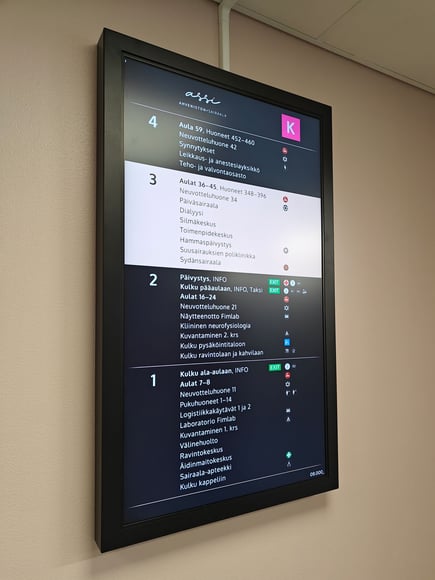
The Assi Hospital project has been in development for nearly a decade.
According to Maintenance Manager Mika Kokkonen, who has been involved in the project since its early planning stages, the development of safety and operational reliability requires long-term commitment.
One key observation from the project is that electromagnetic disturbance management often lacks clear ownership within healthcare organizations.
In practice, responsibilities are typically divided between:
- Electrical safety teams
- Medical technology departments
- Facility management organizations
Yet electrostatic control sits at the intersection of these responsibilities. Ensuring reliable hospital operation requires recognizing that electrical safety and electromagnetic disturbance management are two different but complementary disciplines.
Electrical Safety vs Electromagnetic Disturbance Control
Healthcare professionals often associate technical safety with electrical safety standards such as IEC 60364 series, which governs low-voltage electrical installations.
IEC 61340-6-1 provides guidance on electrostatic control for reducing ESD-related electromagnetic disturbances within electromagnetic disturbance management.
This distinction is important because electrical installation inspections typically focus on electrical safety not on electrostatic control systems.
The Assi Hospital project addressed this gap by integrating electrostatic control considerations already in the design phase, ensuring compliance with both:
- Electrical Safety Act (1135/2016)
- Medical Devices Act (719/2021)
These regulations require that medical equipment must operate safely within its intended environment and that the installation environment must not compromise device performance.
Electrostatic Control Built into the Hospital Infrastructure
The scale of electrostatic protection implemented in the Assi Hospital is significant.
The facility includes:
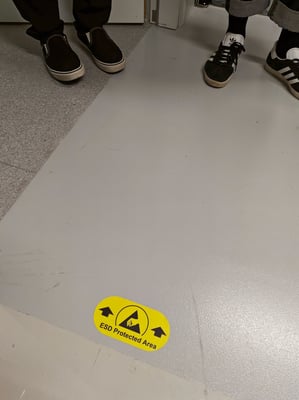
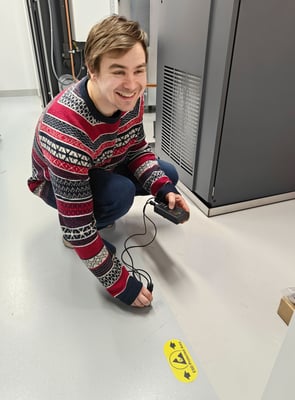
- 16,000 m² of electrostatic -dissipative flooring
- Electrostatic control implemented in approximately 650 medical rooms
- Specialized environments such as imaging suites, laboratories, telecommunication rooms and cleanroom pharmacy areas
This integrated approach ensures that electrostatic control supports both patient safety and medical device reliability throughout the hospital.
Electrostatic Control Is a System — Not Just One Material
Effective electrostatic control in healthcare environments requires a system-level approach. Solutions typically involve multiple elements, including:
- Electrostatic conductive or dissipative flooring
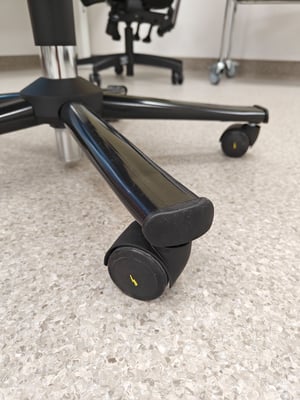
- ESD control wheels for hospital equipment
- ESD control footwear for personnel
- ESD-control clothing for healthcare workers
- ESD control furniture and equipment
- Electrostatic conductive or dissipative curtains, bed linens, and other textile materials
Together, these components help prevent the accumulation and discharge of static electricity in sensitive environments. Premix contributes to this ecosystem by developing electrically conductive plastic materials used in components such as wheels, equipment parts, and other technical parts used for electrostatic control.
Towards the Hospitals of the Future
The Assi Hospital project represents an important step forward in applying international electrostatic standards in healthcare infrastructure. By integrating electrostatic control into the design and operation of medical environments, hospitals can improve:
- Operational reliability
- Medical device performance
- Patient safety
- Long-term maintenance efficiency
For us, this project highlights the importance of collaboration between standards organizations, hospital engineers, medical technology specialists, and materials experts in building the next generation of healthcare facilities.
Learn more
International standard for electrostatic control in healthcare:
IEC 61340-6-1 & 61340-6-2: Electrostatic control for healthcare environments
https://www.instagram.com/ahvenistonsairaala/
https://omahame.fi/ahveniston-sairaala#/